


In Colorado, pests are more than just an annoyance; they pose verifiable risks to public health that extend far beyond a simple bite or sting. Many common household invaders—from rodents to insects—carry pathogens, trigger severe allergies, or cause structural damage that harbors dangerous molds. At Colorado Pest Management, our mission is rooted in public health protection. Understanding the specific health risks associated with Colorado pests is the first crucial step in proactive home management and defense.
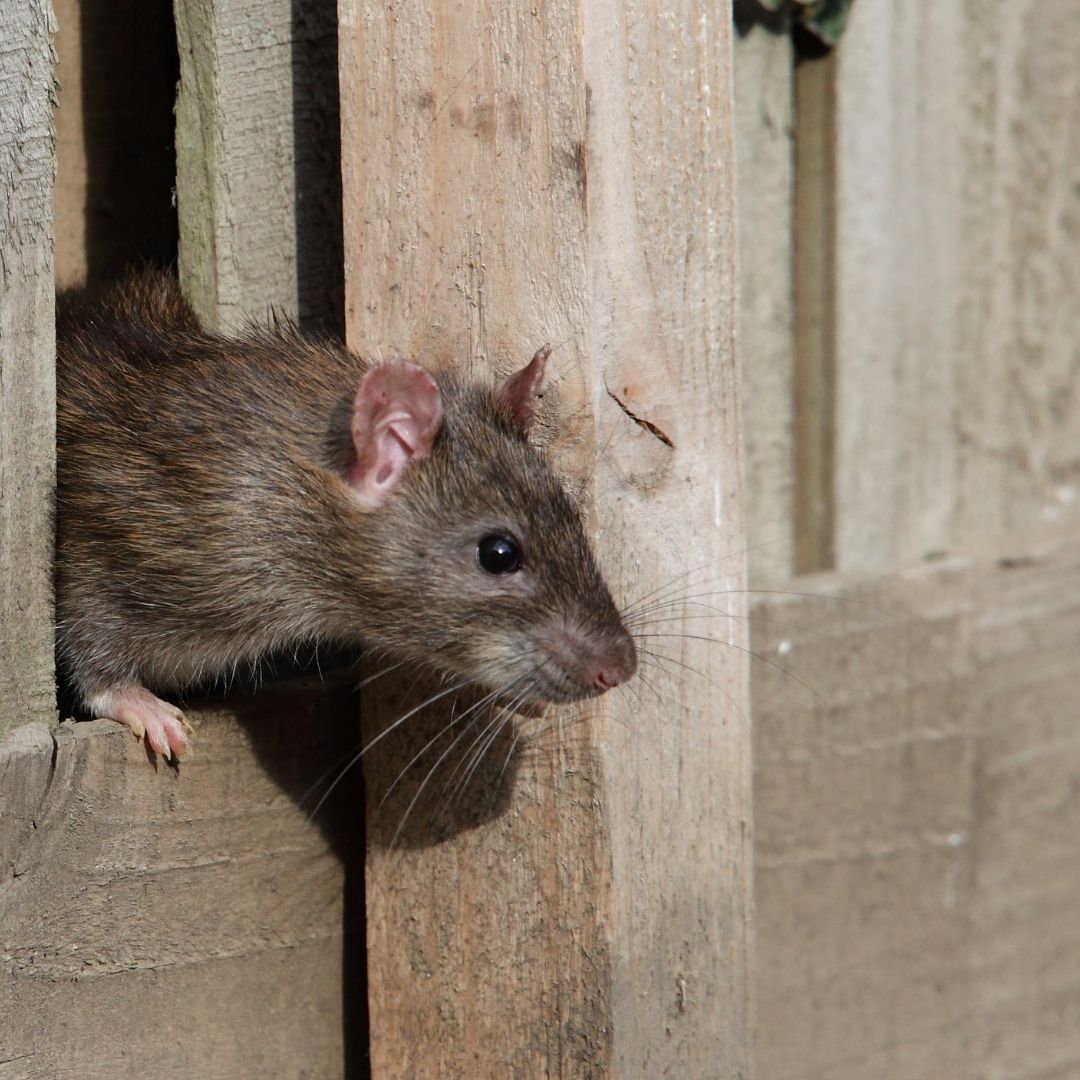
Risk 1: Rodents and Disease Transmission
Mice and rats are arguably the greatest public health concern in Colorado homes. These rodents are notorious carriers of serious diseases, including Hantavirus Pulmonary Syndrome (transmitted through dried droppings, urine, or saliva) and various forms of salmonella and leptospirosis. The risk increases when infestations are ignored, leading to widespread contamination in kitchens, storage areas, and ventilation systems. If you find multiple droppings, hear scratching in walls, or detect a musky odor, immediate, professional intervention is necessary to mitigate health hazards.
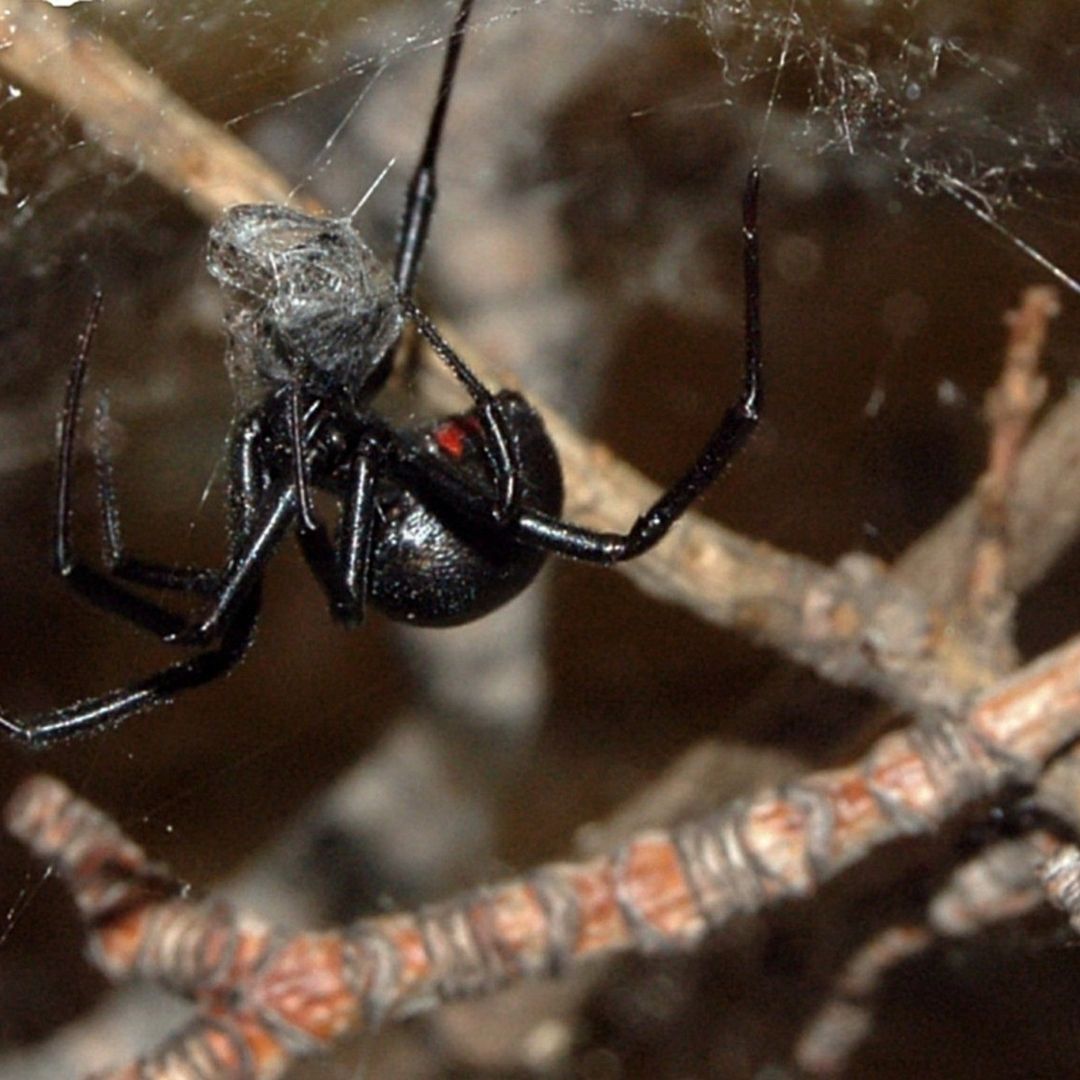
Risk 2: Venomous Pests and Allergic Reactions
Colorado is home to several venomous spiders, most notably the Black Widow, and various stinging insects like wasps and hornets. While Black Widow bites are rare, their venom is a neurotoxin requiring immediate medical attention, especially for children and the elderly. Similarly, stings from wasps and bees can induce severe, potentially life-threatening allergic reactions (anaphylaxis) in susceptible individuals. If you have active nests or persistent spider activity in high-traffic areas, professional removal is essential for reducing the risk of accidental exposure.
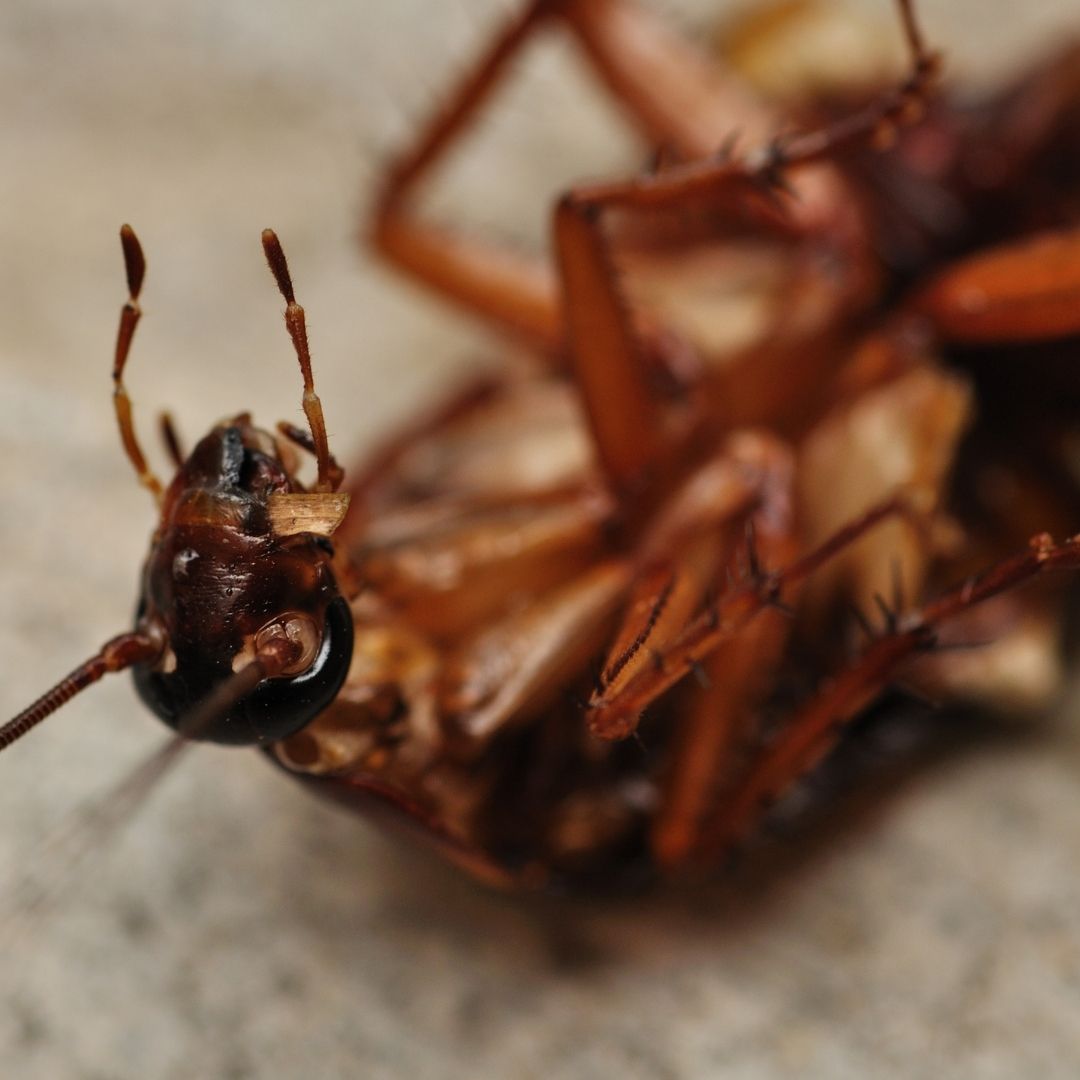
Risk 3: Asthma Triggers and Contamination
Many common indoor pests contribute significantly to respiratory issues and allergic reactions. Cockroaches, for example, shed skins and leave droppings that contain potent allergens and asthma triggers. Dust mites thrive on the skin flakes we shed and multiply rapidly in bedding and upholstery. Even extensive pest droppings (like those from mice) can become aerosolized, spreading bacteria and contaminants throughout the home’s air supply. Comprehensive pest management reduces the overall biological load in the home, promoting healthier indoor air quality.
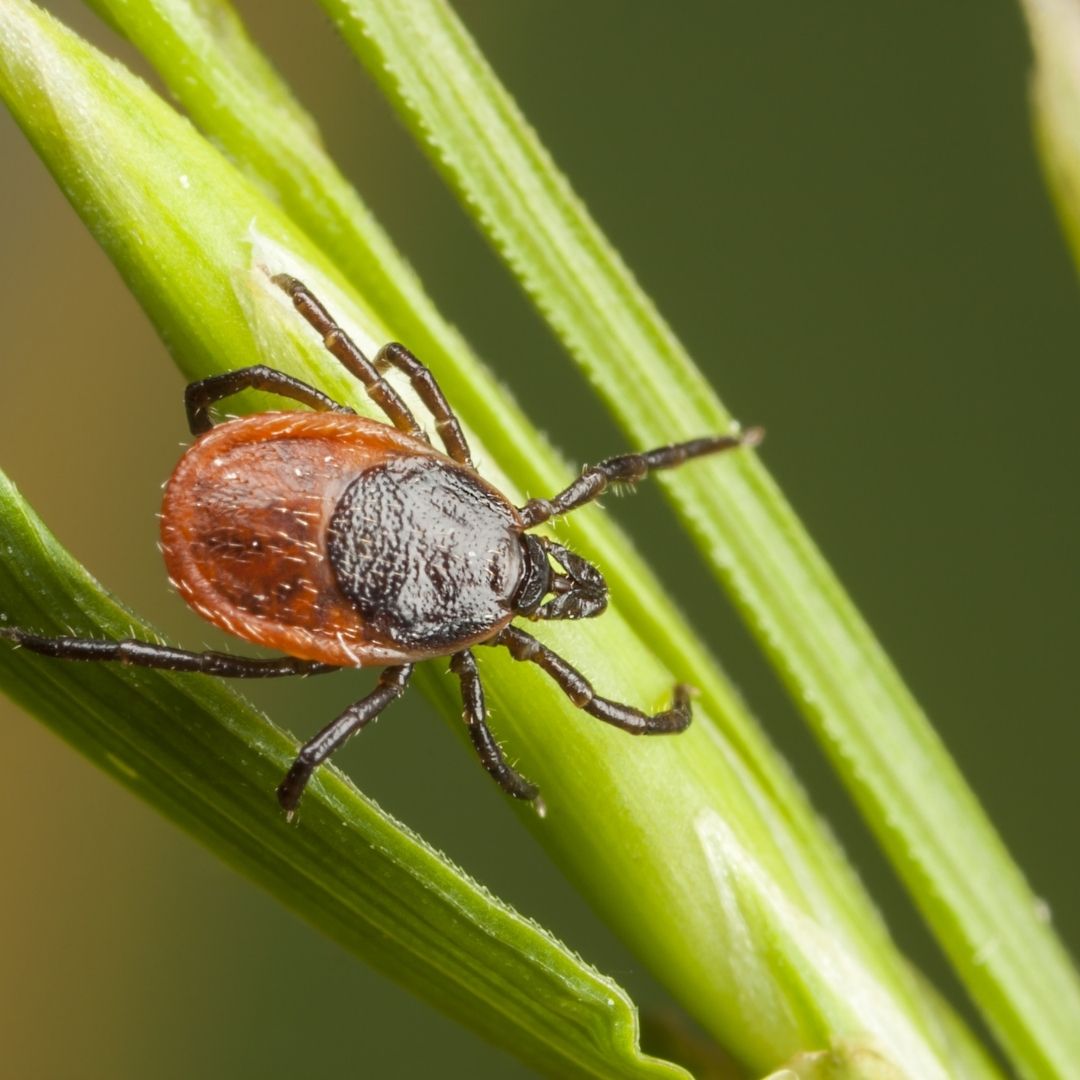
Risk 4: Mosquitoes, Ticks, and Vector-Borne Illness
Pests that bite are known vectors for serious illnesses. Though often associated with warmer climates, Colorado mosquitoes can transmit West Nile Virus (WNV). Ticks, especially common in mountainous and wooded areas, are vectors for Rocky Mountain Spotted Fever and various forms of relapsing fever. Controlling the presence of these biting pests around your yard and ensuring proper treatment of outdoor spaces are critical public health measures to prevent the transfer of these diseases to humans and pets.
Partnering for a Healthier Home
Protecting your Colorado home from pests is ultimately about protecting your family’s health. At Colorado Pest Management, we specialize in identifying and eliminating the specific risks posed by local pests through proactive, targeted strategies. Do not wait for a pest problem to become a health crisis. Contact us today for a thorough inspection and a treatment plan designed to secure a safe and healthy environment for your family.