


For Colorado homeowners, the threat of voles is a persistent and frustrating challenge. Often mistaken for mice, voles are small, ground-dwelling rodents that thrive in lush lawns and gardens, causing extensive and expensive damage to vegetation, root systems, and turf. These subterranean pests operate primarily out of sight, making their presence known only after the damage—characterized by surface runways and girdled trees—becomes apparent. Colorado Pest Management specializes in identifying vole activity and implementing targeted control strategies to protect your hard-earned landscaping investment.
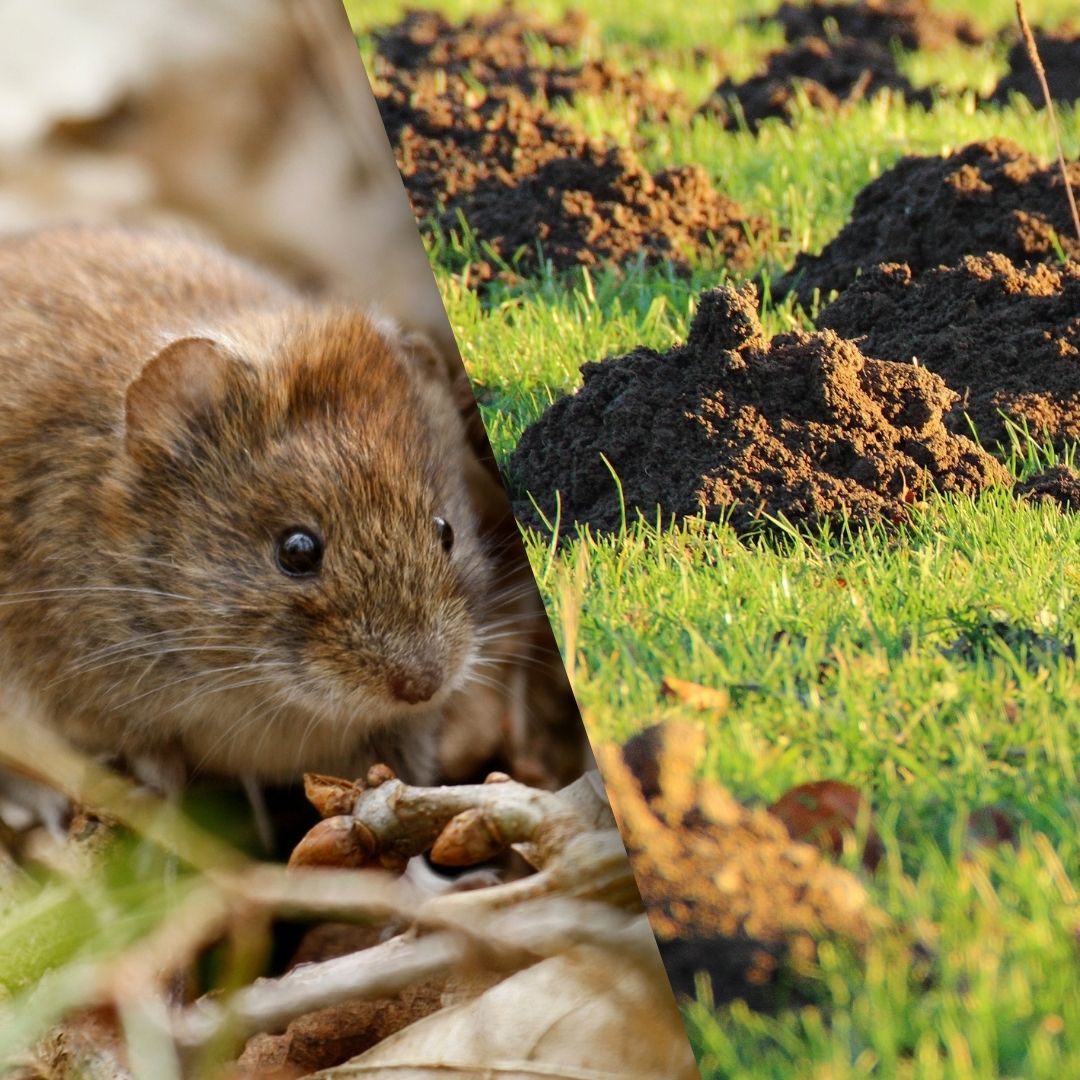
Vole Identification vs. Mole Damage
While both are subterranean pests, voles and moles cause distinct types of damage. Moles create characteristic volcano-shaped hills or deep, raised tunnels as they hunt for worms and grubs. Voles, however, create surface runways (paths of clipped grass about two inches wide) and small, numerous, quarter-sized burrow entrances. Most critically, voles are herbivores; they inflict damage by eating plant roots, bulbs, and the bark around the base of trees and shrubs, often girdling them and leading to plant death.

Protecting Trees and Shrubs
Voles are particularly destructive to trees and shrubs during the winter when their primary food sources are scarce. They chew the bark around the base of young or vulnerable woody plants, essentially cutting off the flow of nutrients and killing the plant (girdling). To prevent this, protective measures are essential. We recommend installing hardware cloth or wire tree guards around the base of vulnerable plants, extending the barrier at least 6 to 10 inches into the soil and 18 inches above the ground to deter both burrowing and gnawing.

Cultural Controls and Habitat Modification
Modifying the habitat is a crucial step in long-term vole management. Voles prefer areas with dense vegetation for cover. To discourage them, reduce heavy mulch layers around flower beds and trees. Keep the grass around garden borders trimmed short and ensure all yard debris and wood piles are far away from vulnerable areas. Eliminating dense ground cover reduces their protective habitat, making them more vulnerable to predators and encouraging them to seek refuge elsewhere, ideally far from your property.

Professional, Targeted Vole Control
While exclusion and habitat modification help, a persistent vole problem often requires professional intervention. DIY methods are rarely effective in eliminating an established colony, as voles breed rapidly. Colorado Pest Management employs targeted strategies, including the strategic use of professional-grade repellents and baiting stations placed directly within active runways and burrows. Our approach is designed to safely and efficiently eliminate the current population and establish barriers against future re-infestation, preserving your lawn and garden.
Secure Your Landscape Investment
The damage caused by voles can quickly destroy years of careful landscaping work. Don’t wait until your turf is littered with runways or your trees are girdled. Proactive assessment and targeted treatment are necessary to control these prolific subterranean pests. Contact Colorado Pest Management today for a comprehensive evaluation of your lawn and garden and to secure a plan for effective vole elimination and prevention. Visit coloradopestmanagement.com to protect your landscape.