


From extreme temperatures to seasonal shifts, weather conditions significantly impact pest control. Colorado experiences diverse weather patterns, from high-altitude mountain climates to arid plains. These weather conditions directly influence the behavior, activity, and population of pests, making it crucial for pest control professionals to understand and adapt their strategies accordingly. At Colorado Pest Management, we have been providing pest control services in Colorado for over 30 years, making us experts when it comes to our weather and how it affects different pests. Learn more below, and contact us to get a free pest control estimate today!


Temperature Fluctuations
Drastic temperature variations throughout the year characterize Colorado’s climate. These fluctuations affect pests in several ways. For instance, colder temperatures in winter can drive pests indoors, seeking warmth and shelter, leading to increased infestations. In contrast, the warm summer can accelerate the breeding and population growth of various pests, such as mosquitoes and ants. Pest control professionals must adapt their methods to combat these seasonal fluctuations and effectively manage pest populations.
Precipitation and Moisture
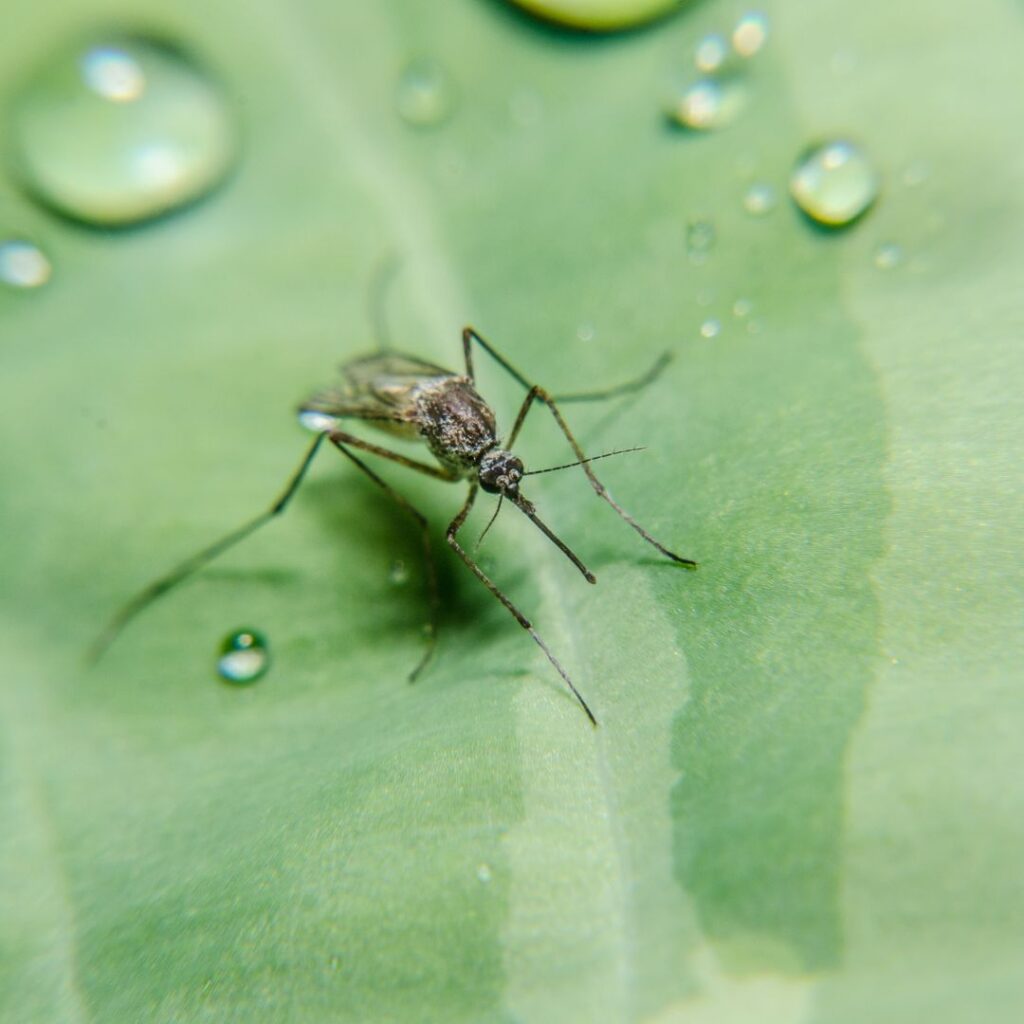
Colorado’s weather patterns range from dry conditions in the high-altitude regions to more moderate rainfall in lower-lying areas. These precipitation and moisture levels significantly impact pest behavior and survival. Excessive rainfall can create ideal breeding grounds for mosquitoes, flies, and other water-dependent pests, while drought conditions may drive pests indoors in search of water sources. Pest control strategies must consider these moisture-related dynamics to prevent and effectively control infestations.

High Winds and Pests
Colorado experiences strong winds, especially in mountainous regions. These winds can impact the distribution and movement of pests, affecting their ability to infest specific areas. For instance, strong winds can disrupt the flight patterns of flying insects, limiting their range and potential infestation areas. However, it’s crucial to note that winds can also disperse pests, causing them to migrate to new locations, making proactive pest control measures essential to prevent their establishment in unaffected areas.
Wildfires and Pest Encounters
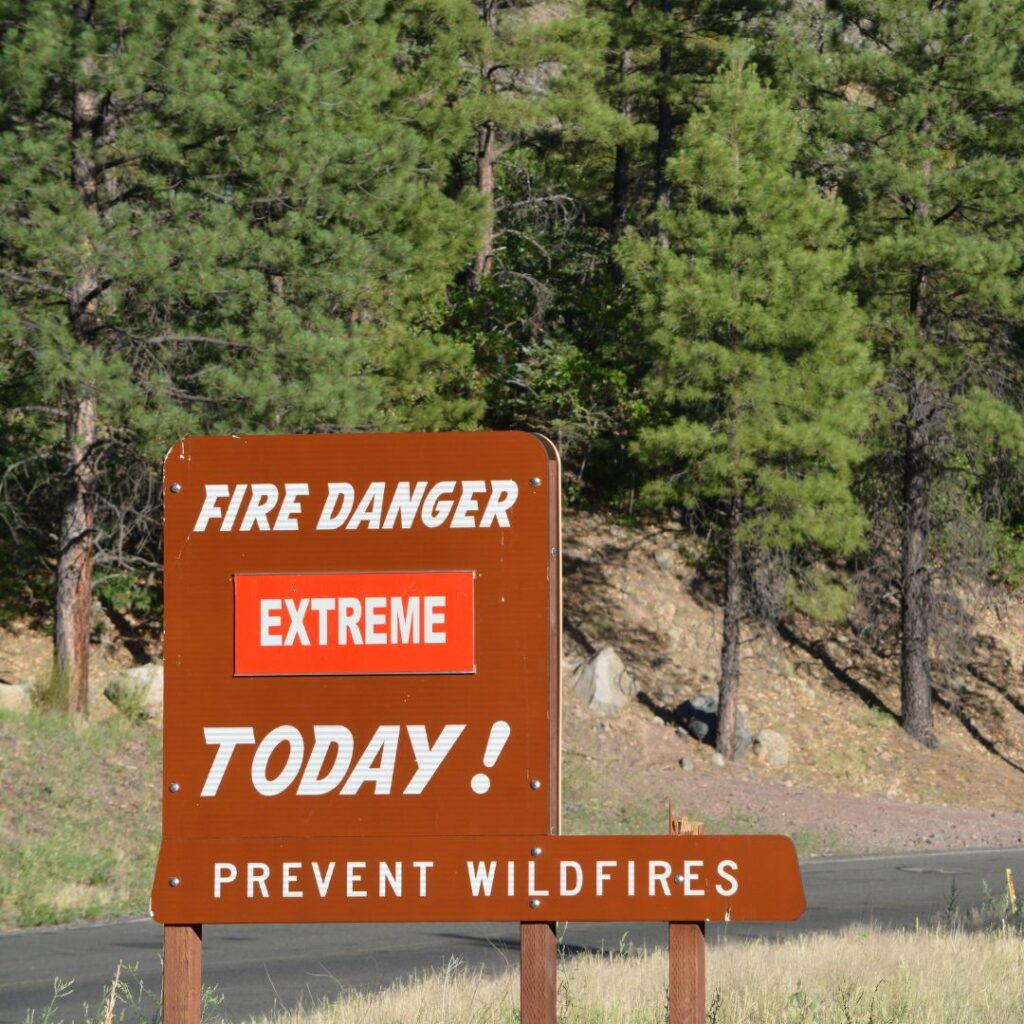
Colorado is prone to wildfires, especially during dry seasons. These fires can have a profound impact on the ecosystem, including pests. While wildfires can disrupt pest habitats and reduce their populations, they can also force pests to seek refuge in nearby urban areas, leading to increased encounters with humans. Pest control professionals must consider the aftermath of wildfires when assessing and addressing pest-related issues in affected areas.
Colorado’s diverse climate, temperature fluctuations, precipitation levels, high winds, and wildfires all play significant roles in shaping pest dynamics. Understanding these weather-related factors is crucial for pest control professionals to devise effective strategies to prevent and manage infestations. At Colorado Pest Management, we stay updated with the changing conditions of Colorado’s climate so we can adjust our pest control services accordingly. When you need a knowledgeable and reliable pest solution, trust the experts at Colorado Pest Management. Contact us today to get started.